Get your vacation rental records ready for new rules
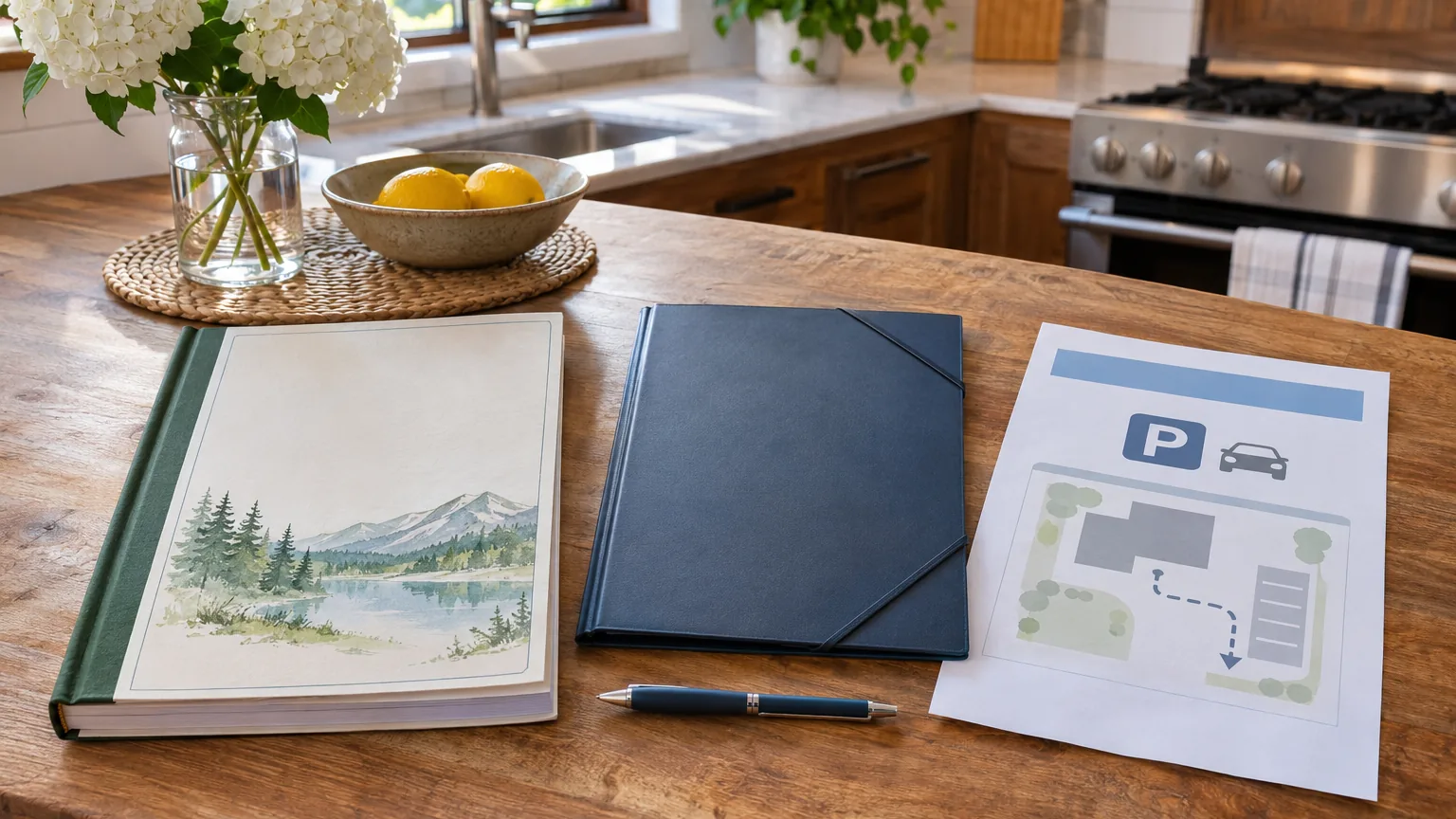
Manatee County, Florida, is considering a registration and annual renewal program for short-term rental properties, with fees intended to fund additional code enforcement staff, Your Observer reports. The proposal is still being developed, but it gives vacation rental hosts elsewhere a useful reason to check their local requirements, organize property records and make sure their guests understand the rules of the house.
Why Manatee County wants hosts to register their properties
In its November 25 report, Your Observer explains the proposed registration program. County commissioners directed staff to return with operating costs and possible changes to the county code that would allow a registration and renewal system. The proposal follows complaints about noise, property maintenance and other problems involving vacation rentals in residential neighborhoods.
The county wants registration fees to cover the cost of additional code enforcement officers. Staff will bring more details to the Board of County Commissioners on December 15. Commissioners have not yet approved a new registration requirement or set fees, so hosts should not treat the proposal as an existing rule.
There's a practical lesson here for hosts outside Florida, too. Local governments can have different rules for short-term rentals, and those requirements can change. A property that has been listed on Airbnb or Vrbo for years might still need attention if the local registration process changes or a new renewal requirement appears.
Put your rental information in one place
Start with the basic information about your property. You might have some details saved in your Airbnb account, others in your email and a few more in paperwork from when you first started renting the place. Bring them together so you can find what you need without searching through old booking messages.
- Keep the property's full address and ownership details together with any local registration or permit information you already have.
- Write down the contact details for the person who handles guest questions, maintenance calls and urgent property problems.
- Keep copies of relevant property documents, inspection records and correspondence with local authorities.
- Record the dates when existing permits, certificates or registrations need to be renewed.
- Make sure the contact information held by your booking platforms and any local registration office is current.
If you use a property manager, agree on who checks official notices and who handles renewals. A host might assume the manager is watching for local changes, while the manager assumes the owner is responsible. Write down who does what.
For a property listed on Airbnb, our Airbnb house rules template can help you put everyday expectations in writing. Keep those guest-facing rules separate from permits and official registration documents. They serve different purposes, and one does not replace the other.
Check the rules where your property actually sits
Don't assume that the rules for the next town, county or state apply to your rental. Even nearby properties can fall under different local requirements. Your first stop should be the official website of the local government responsible for the property's address.
Look for the department that handles vacation rentals, planning, zoning, business registrations or local accommodation taxes. If the website is unclear, contact the relevant office and ask for the current requirements in writing.
- Ask whether your property needs a short-term rental registration, permit or certificate before accepting bookings.
- Check whether existing registrations need regular renewal and how the renewal date is calculated.
- Find out which property details and documents the authority asks owners to provide.
- Check whether there are separate requirements for noise, parking, trash collection, occupancy and emergency contacts.
If you're in Manatee County, follow the county's official announcements about the proposal rather than relying on a social media post or an old rental listing. The December 15 meeting is the next date identified in Your Observer's report for staff to present more details. Hosts elsewhere should check their own local government instead of assuming Florida's proposal applies to them.
Make house rules clear before guests arrive
The Manatee County report also describes neighborhood complaints involving noise and parking. Those problems can affect a host's relationship with nearby residents and the experience guests have during their stay. A few clear instructions before check-in can prevent avoidable misunderstandings.
Think about what someone needs to know before unloading the car or settling in for the evening. Where should they park? Are there quiet hours? Where do trash bags go? Can visitors come to the property? Are there outdoor areas that need to stay quiet at night?
Put the answers in your welcome information, then repeat the most important points in your check-in message. Our Airbnb welcome book template is a useful starting point for organizing property instructions, while the Airbnb guest book template gives guests a place to leave a written message about their stay.
A printed welcome book is handy inside the property, but guests often need the information before they arrive. Send important instructions through your normal booking communication as well. That gives people a chance to ask questions before they are standing outside with their luggage.
Keep a record of guest feedback and property issues
Good records can help you spot repeated problems before they become bigger headaches. If several guests ask where to park, for example, your arrival instructions probably need work. If neighbors repeatedly contact you about late-night noise, check whether your house rules are clear and whether guests actually receive them before check-in.
Keep notes about maintenance requests, guest complaints and the steps taken to resolve them. Save relevant messages and receipts alongside the property's other records. If a local authority asks about a property issue, having an accurate timeline is more useful than trying to reconstruct events from memory.
You can also give guests a simple way to leave comments after their stay. Guestbook World offers free online guestbooks for vacation rentals. You can share a guestbook link, print a QR code or add it to your website. Guests can leave their name and a text message from a phone or computer. You can review new entries before they appear, reply to messages and download the entries as a spreadsheet. Photos aren't supported yet, but written feedback can still help you spot details worth fixing.
A guestbook won't replace official inspection records or a required registration. Keep those documents in their proper place. But a note from a guest about a confusing parking instruction or a broken outdoor light gives you something specific to follow up on before the next arrival.
Sources
- Manatee County considers mandatory registrations for short-term rentals Your Observer, November 25, 2026